Do You Need Bone Grafting Before a Dental Implant?
Hearing that you need extra bone before an implant can feel like one more hurdle. Many patients type "bone graft for dental implant near me" into a search bar because they want a nearby clinic, clear answers, and a plan that feels manageable.
The good news is that grafting is a common part of implant care when the jaw needs more support. Once you know why it's recommended, the process usually feels less intimidating. The sections below explain the signs you may need a graft, what treatment is like, how recovery usually goes, and how to choose a local dentist you trust.
Why some dental implants need a bone graft first
A dental implant needs enough healthy jawbone around it to stay stable over time. If the bone is too thin, too soft, or has shrunk after a tooth was lost, your dentist may suggest a graft before the implant goes in.
A bone graft often means your dentist is building a stronger base first, not adding an extra step for no reason.
What a bone graft actually does
A bone graft adds material in the spot where more bone is needed. Over time, your body heals around that area, and the site becomes stronger for future implant placement.
The goal is simple. The implant needs a solid place to sit, much like a post needs firm ground. Cleveland Clinic's overview of dental bone grafting explains this in plain language and shows why the procedure is often done before an implant.
Common reasons bone loss happens
Bone loss is common after a tooth has been missing for a while. The jaw no longer gets the same pressure from chewing, so the bone in that area can shrink.
Gum disease can also damage the bone around teeth. In other cases, bone loss follows an infection, an injury, or years of denture wear. None of this is unusual, and it isn't something to feel embarrassed about.
How dentists know if you need grafting
Your dentist doesn't guess. First, they examine your mouth and gums. Then they look at X-rays or a 3D scan to check bone height, width, and density.
Clinics that use in-house 3D CBCT imaging can measure the area in more detail. That matters because the answer depends on your mouth, your missing tooth, and your implant plan.
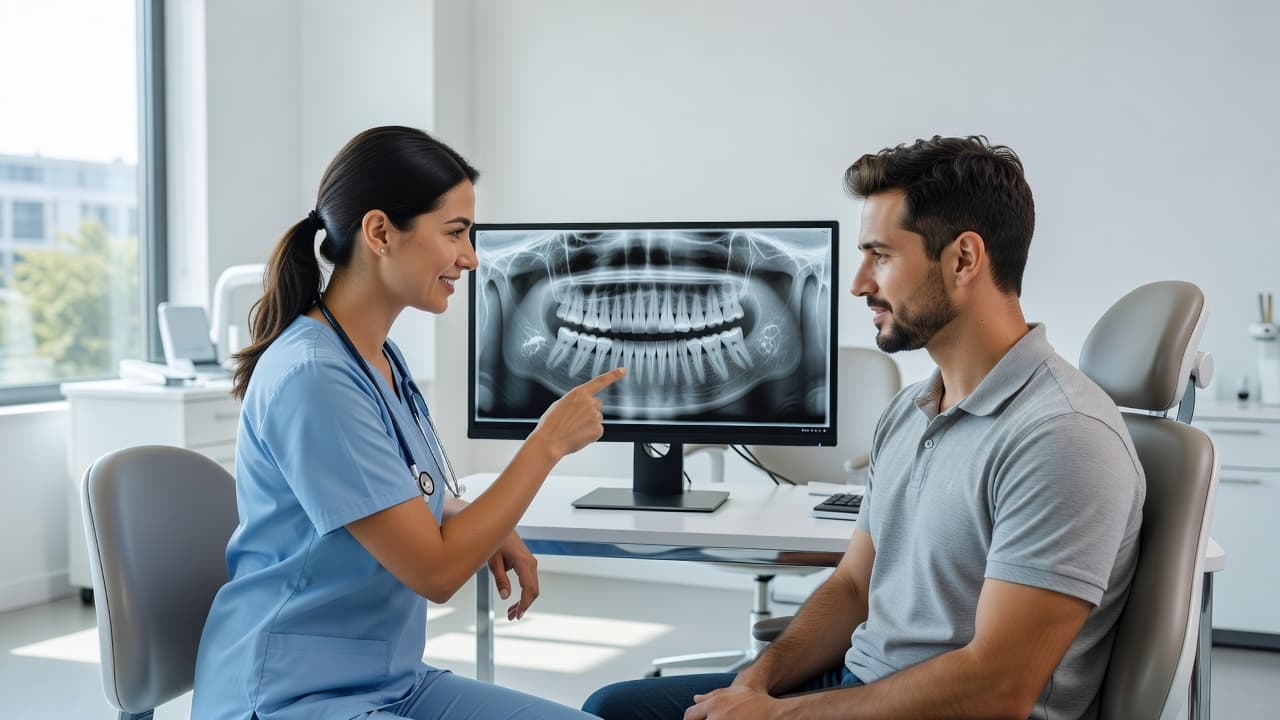
Seeing the scan often makes the recommendation easier to understand. In many cases, the consult answers the biggest question right away, whether you can move straight to an implant or need to build bone first.
What to expect during bone grafting for a dental implant
Most treatment plans start with a conversation, not a procedure. Your dentist reviews your health history, checks the missing-tooth area, and explains the timing for the implant.
Your consultation and treatment plan
At the first visit, you'll usually have an exam and imaging. The dentist will look at gum health, bite, nearby teeth, and the amount of bone in the implant site.
Some people need grafting first and then wait for healing. Others can have a small graft and the implant at the same visit. The right sequence depends on the size of the area and how much support is already there. Mayo Clinic's page on dental implant surgery steps shows how jaw preparation can fit into the overall implant timeline.
The procedure in simple terms
On procedure day, the area is numbed so you stay comfortable. Then the dentist places graft material where extra bone is needed and protects the site while it heals.
In some cases, the gum is stitched closed over the area. Most patients go home the same day with aftercare instructions and a plan for follow-up visits. If you're nervous, ask whether the office offers sedation or other comfort options.
How long healing usually takes
Healing isn't instant, and that's normal. Small grafts may be ready in a few months, while larger or more complex cases can take longer.
Your dentist checks the area as it heals and lets you know when it's ready for the implant. Patience matters here because the goal is long-term stability, not speed alone.
Recovery is usually easier when you know what to expect
The first few days after grafting are often less dramatic than people expect. Most discomfort is manageable, especially when you rest, eat soft foods, and follow the directions from your dental team.
Normal symptoms after surgery
Mild swelling is common. So is soreness around the treatment area, along with a little spotting or oozing during the first day.
You may also notice bruising or a feeling of pressure. Those short-term changes usually settle as the area starts to heal. If you've ever had a tooth removed, the recovery can feel somewhat familiar.
Simple aftercare that helps healing
Rest helps more than people think. Choose soft foods, drink plenty of water, and avoid smoking because it can slow healing and raise the risk of problems.
Also, keep your tongue and fingers away from the grafted area. Take medicines as directed, brush gently, and follow the cleaning instructions your dentist gives you. This quick guide to implant bone grafting also notes that healing time can vary with the size and location of the graft.
When to call the dentist after a graft
Call the office if pain gets worse instead of better. Heavy bleeding, fever, swelling that keeps growing, or a bad taste that doesn't go away should also be checked.
Most recoveries are routine, but it's smart to speak up if something feels off. A quick call can bring peace of mind and help your dentist decide if you need to come in.
How to choose the right local dentist for a bone graft and implant
When you're comparing clinics, distance is only one part of the decision. If you're searching for implant bone grafting close to home, look for a team that explains things clearly and makes the process feel manageable.
Questions worth asking before you book
A short phone call can tell you a lot. Ask questions that help you understand how the office plans treatment and supports patients before and after surgery.
- Do you handle implant planning in-house?
- What imaging do you use before recommending a graft?
- Will the graft happen before the implant, or at the same visit?
- How many visits are likely for my case?
- What help do you offer if I'm anxious about treatment?
- Who do I call if I have concerns during recovery?
Clear answers matter. If the office rushes through those basics, keep looking.
Signs of a patient-focused implant team
A good implant team explains recommendations in plain language. You should feel like you understand the "why," not like you're being talked into something.
Modern imaging also helps. So do gentle techniques, sedation options for nervous patients, and follow-up care that doesn't leave you guessing. Practices that use 3D scans and GPS-guided implant planning can map treatment with more detail, which helps when bone shape and implant position need a close look.
Recent reviews can also tell you a lot. Look for comments about comfort, communication, and whether patients felt heard.
Why location and convenience matter
Location matters because implant care can take more than one visit. A clinic near home, work, school, or your regular route is simply easier to fit into real life.
That matters in Edmonton. Many patients want a dentist near Whyte Avenue or the University of Alberta. Others look along 109 Street, Gateway Boulevard, or in nearby areas like Garneau, Ritchie, Queen Alexandra, and Bonnie Doon. Easy parking, direct communication, and appointment times that fit your schedule can make the whole process feel lighter.
That's why so many people start with convenience when they look for a nearby dental implant bone graft. Then they narrow the list by trust and clarity.

A local evaluation gives you the clearest answer
A bone graft is often a simple step toward a more stable implant. If your jaw needs extra support, building that base first can make the next stage of treatment more predictable and comfortable.
The best next move is a consultation with a local dental team that can check your bone health and explain your options clearly. If you think grafting may come before your implant, booking an evaluation now can replace guesswork with a real plan.
If you're in South Edmonton, especially around Old Strathcona and Whyte Ave, Strathcona Dental Clinic offers implant consultations and bone graft assessments with a warm, patient-first approach. You can find the clinic at 8225 105 St NW #303, Edmonton, AB T6E 4H2. Call (587) 853-5562, email info@strathconadental.ca, or visit the Strathcona Dental Clinic website to request an appointment.


Comments
Post a Comment